
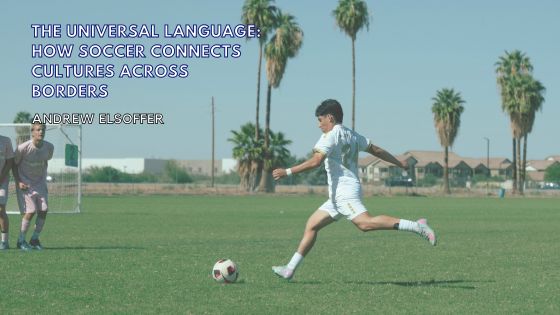
Soccer is often described as the world’s game, but that phrase only begins to capture its true power. More than just a sport, soccer functions as a universal language that transcends borders, cultures, and economic differences. From dusty fields in remote villages to massive stadiums in global cities, the game speaks to something deeply human: connection, emotion, and shared experience.
A Game That Needs No Translation
One of soccer’s most remarkable qualities is its simplicity. The rules are consistent, the objective is clear, and the equipment required is minimal. This makes it accessible to people from virtually every corner of the world. A ball and an open space are enough to create a match that anyone can understand, regardless of language or background.
On the field, communication happens through movement, instinct, and anticipation. A well-timed pass or a strategic run requires no verbal explanation. Players learn to read each other through rhythm and awareness, creating a form of understanding that goes beyond words.
Bridging Cultural Divides
Soccer has a unique ability to bring people together who might otherwise never cross paths. International tournaments, local clubs, and even casual pickup games often include individuals from diverse cultural backgrounds. In these shared spaces, differences in language, nationality, or tradition take a back seat to teamwork and common goals.
This shared experience fosters respect and empathy. When players work together toward a win, they begin to see each other not as outsiders, but as teammates. Over time, these interactions help break down stereotypes and build mutual understanding.
Global Identity Through Local Passion
While soccer is global in reach, it remains deeply local in expression. Every country, and often every neighborhood, brings its own style, energy, and identity to the game. From the technical precision of European leagues to the flair and creativity found in South American play, soccer reflects the cultural richness of its players.
Fans also play a major role in this global identity. Supporting a team becomes a way of expressing belonging, pride, and cultural connection. Yet even rival fans share a common language of chants, rituals, and emotion that makes stadiums feel like collective celebrations rather than divided spaces.
Moments That Unite the World
Few events capture global unity like the FIFA World Cup. For a few weeks every four years, billions of people tune in to watch the same matches, celebrate the same goals, and experience the same heartbreaks. In those moments, national borders feel less significant, and the world feels briefly connected through a shared narrative.
But the unifying power of soccer is not limited to major tournaments. It exists in everyday moments as well: children playing in parks, friends gathering after work, or strangers bonding over a televised match. These small interactions collectively reinforce the game’s global language.
More Than a Sport
At its core, soccer is not just about winning or losing. It is about communication without words, connection without barriers, and identity without limitation. It teaches cooperation in its purest form and reminds us that shared passion can overcome difference.
In a divided world, soccer stands as a reminder that common ground is often closer than we think. Across cultures and continents, it continues to speak a language everyone understands.