
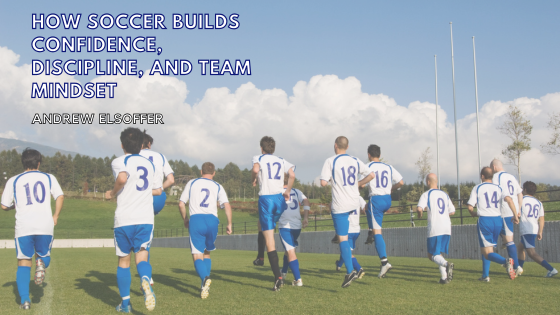
Soccer is often celebrated for its global appeal and fast-paced excitement, but its greatest value extends far beyond goals and scorelines. For players of all ages, soccer serves as a powerful developmental platform—one that builds confidence, instills discipline, and nurtures a strong team mindset. Whether played on a neighborhood field or in a structured competitive league, the lessons learned through soccer often translate directly into life beyond the pitch.
Building Confidence Through Growth and Resilience
Confidence in soccer develops through action and experience. Each training session presents opportunities to learn new skills, test abilities, and face challenges in real time. Players gain confidence not because they avoid mistakes, but because they learn how to recover from them. Missed shots, lost possessions, and tough losses are part of the game, and navigating these moments teaches players resilience and self-belief.
As skills improve through consistent practice, players begin to trust their abilities. Small achievements—successfully completing a pass under pressure, defending effectively, or contributing to a team goal—reinforce a sense of competence. Over time, this confidence extends beyond the field, influencing how players approach school, relationships, and personal goals.
Importantly, soccer also encourages players to step outside their comfort zones. Trying a new position, speaking up during a huddle, or taking responsibility in critical moments helps individuals recognize their potential and develop a stronger sense of self-worth.
Discipline Through Structure and Accountability
Soccer is inherently structured, and that structure fosters discipline. Regular training schedules, tactical systems, and clearly defined roles teach players the importance of preparation and consistency. Success in soccer rarely comes from raw talent alone; it is built through repetition, focus, and commitment.
Players learn to manage their time effectively as they balance practices, games, academics, and personal responsibilities. They develop habits such as punctuality, attentiveness, and self-control—qualities that are essential both on and off the field. Following rules, respecting referees, and adhering to team standards reinforce the value of accountability.
Discipline in soccer also extends to emotional regulation. Players must learn to manage frustration, respond constructively to feedback, and maintain composure under pressure. These emotional skills are critical in high-stakes situations and serve players well in future leadership roles, academic pursuits, and professional environments.
Developing a Strong Team Mindset
At its core, soccer is a team sport that thrives on collaboration. No single player can succeed alone; every goal, defensive stand, and transition relies on collective effort. This dynamic naturally cultivates a team-first mentality, teaching players that individual success is closely tied to group performance.
Players learn to communicate effectively, anticipate teammates’ movements, and support one another through both success and adversity. Understanding different roles on the field—from defenders to midfielders to forwards—helps players appreciate diverse contributions and respect varying strengths.
Soccer also teaches empathy and trust. Players must rely on teammates to fulfill their responsibilities, and in turn, they are expected to deliver when needed. This mutual reliance fosters a sense of belonging and shared purpose, reinforcing the idea that working together leads to better outcomes than acting alone.
Lessons That Extend Beyond the Game
The confidence, discipline, and team mindset developed through soccer extend far beyond sports. Players often carry these traits into classrooms, workplaces, and communities. They become more comfortable collaborating with others, setting goals, and persevering through challenges.
For young players especially, soccer provides a safe and structured environment to explore leadership, responsibility, and personal growth. Coaches play a critical role in reinforcing these lessons by emphasizing effort, respect, and improvement rather than outcomes alone.
Parents and communities also benefit when soccer is framed as a developmental experience rather than purely a competitive one. When the focus is on growth, character, and teamwork, players are more likely to stay engaged, motivated, and confident over the long term.
Conclusion
Soccer is more than a sport—it is a powerful tool for personal development. Through its demands and opportunities, the game builds confidence by encouraging growth, discipline through structure and accountability, and a team mindset rooted in collaboration and trust. These qualities prepare players not just to compete, but to thrive in life. Whether on the field or beyond it, the lessons learned through soccer leave a lasting impact that extends well after the final whistle.